
Owning an RV gives you the freedom to explore while still enjoying the comforts of home, but like any living space, it requires attention and upgrades over time to stay functional, safe, and enjoyable. Choosing to update your RV doesn’t have to mean a full renovation or a major investment. With thoughtful improvements in the right areas, you can significantly improve comfort, efficiency, and usability while extending the life of your rig for years to come.
Why It Pays to Update Your RV
An RV is constantly exposed to movement, weather, UV exposure, and regular wear in ways that a stationary home simply isn’t. That ongoing stress means small issues develop faster and deferred maintenance compounds more quickly. Staying ahead of those issues keeps your RV reliable, safe, and genuinely pleasant to spend time in. The same proactive mindset that makes a good homeowner makes a good RV owner. Regular updates ensure all systems are working efficiently, the living space remains comfortable, and you’re not caught off guard by a preventable breakdown miles from the nearest service center.
Update Your RV Interior for a Fresh, Comfortable Feel
Interior updates are among the most impactful and most accessible upgrades you can make. Worn cushions, faded fabrics, outdated cabinet finishes, and tired flooring may make even a well-maintained RV feel dated. Replacing cushion covers or adding new throw pillows, repainting or replacing cabinet doors, and updating window treatments are all low-cost changes that dramatically improve how the space looks and feels. Flooring is worth prioritizing. Durable, waterproof vinyl plank is one of the best materials for RV interiors because it handles foot traffic, moisture, and temperature swings without warping or staining. Lighting upgrades are equally impactful. Swapping out old fixtures for LED alternatives improves brightness significantly while reducing power consumption, which matters even more in an RV than in a traditional home.
Improve Power and Efficiency When You Update Your RV
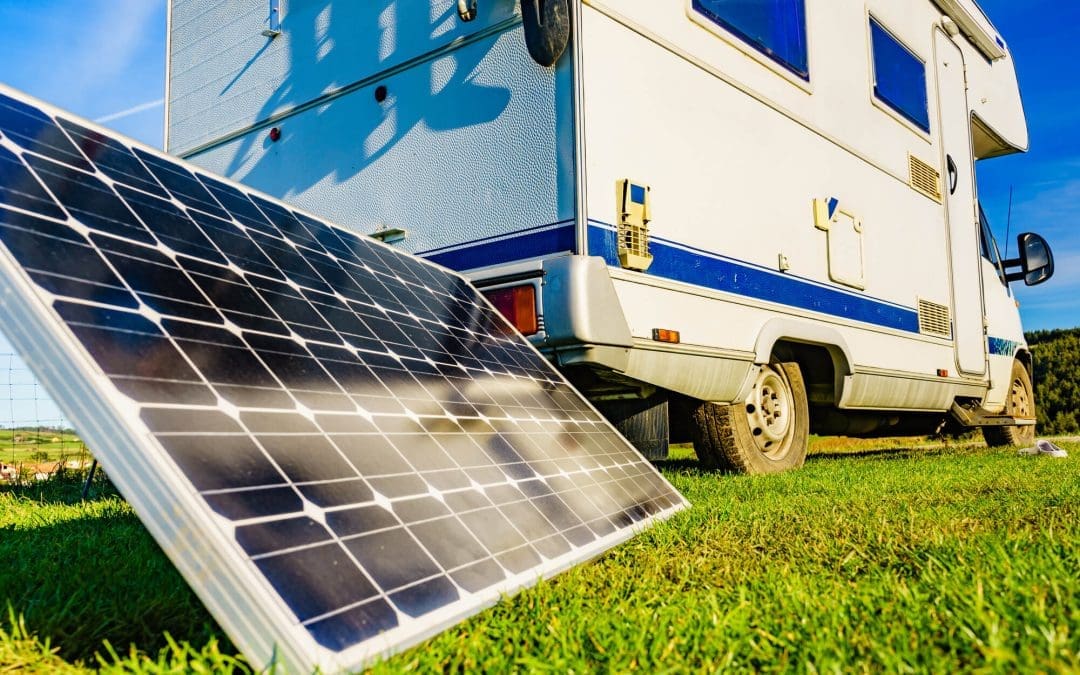
For frequent travelers and full-timers, power management and efficiency upgrades are among the most meaningful investments available. Adding a solar panel system with a quality battery bank gives you reliable off-grid power without depending on noisy generators or expensive campground hookups. Pairing solar with energy-efficient appliances reduces overall consumption and makes boondocking genuinely comfortable rather than a compromise. Insulation is another area where an upgrade delivers immediate, tangible results. Many older RVs were built with minimal insulation, which struggles in temperature extremes. Improving wall, ceiling, and floor insulation keeps the interior temperature consistent.
Upgrade the Kitchen and Bathroom
The kitchen and bathroom are the two spaces where functionality matters most daily, and they’re also two areas where relatively modest upgrades deliver outsized results. In the kitchen, replacing an aging stove, microwave, or refrigerator with a compact, modern version improves performance and often reduces energy draw. Updating countertops, the sink, or the faucet freshens the space considerably. Adding organizers, drawer dividers, and wall-mounted storage makes cooking in a small kitchen significantly more practical. Bathroom upgrades tend to focus on comfort and water efficiency. Replacing an old showerhead with a low-flow model, improving ventilation with a quality exhaust fan, and updating fixtures all contribute to a more comfortable and resource-conscious bathroom.
Update Your RV Safety and Technology Features
Safety upgrades should be part of any update plan. Smoke detectors, carbon monoxide detectors, and propane leak detectors should be tested regularly and replaced if they’re more than a few years old. Fire extinguishers should be checked annually and replaced on schedule. Technology upgrades add both safety and convenience. A backup camera is one of the most practical additions for any RV. Updated navigation systems designed specifically for RVs account for height, weight, and length restrictions that standard GPS apps ignore. Smart monitoring systems that track tank levels, battery charge, and interior conditions remotely add a layer of awareness and control that makes life on the road noticeably easier.
Frequently Asked Questions (FAQs)
How often should you update your RV?
Review your RV’s condition at least once a year, ideally at the start of each season. High-use systems like plumbing, electrical, and appliances should be checked regularly, while cosmetic and comfort upgrades can be tackled as budget and priorities allow.
Which updates add the most value to an RV?
Solar and battery systems, insulation improvements, kitchen and bathroom upgrades, and modern safety features consistently deliver the strongest combination of daily value and resale appeal. Interior refreshes like new flooring and lighting also make a significant impact for relatively modest cost.
Can you update your RV on a tight budget?
Absolutely. Many of the most impactful upgrades, LED lighting, new cushion covers, cabinet paint, drawer organizers, and a fresh caulk job around seals, cost very little and can be done in a weekend.
Is it worth upgrading an older RV rather than replacing it?
In most cases, yes, especially if the structure and major systems are sound. Strategic updates can extend an older RV’s usable life significantly and deliver far better value than the cost of buying a replacement.
Do RV upgrades require professional help?
Many cosmetic and organizational upgrades are straightforward DIY projects. Electrical work and plumbing modifications should be handled by a qualified professional to ensure safety and code compliance.
USRV Inspector provides professional RV inspection services to RVers throughout the United States. Contact us to schedule an appointment.