Few things ruin an RV trip faster than a tire failure. A blowout can damage the wheel well, cut lines and wiring, and cause a loss of control; on a heavy rig, repairs add up quickly. The good news is that regular checks can prevent most RV tire problems. Tires on RVs often age out before they wear out, since many sit for months at a time. Understanding RV tire safety, from pressure to age to load, helps you spot problems early and travel with more confidence. Here’s what every RVer should check.
Check Pressure and Load for Better RV Tire Safety
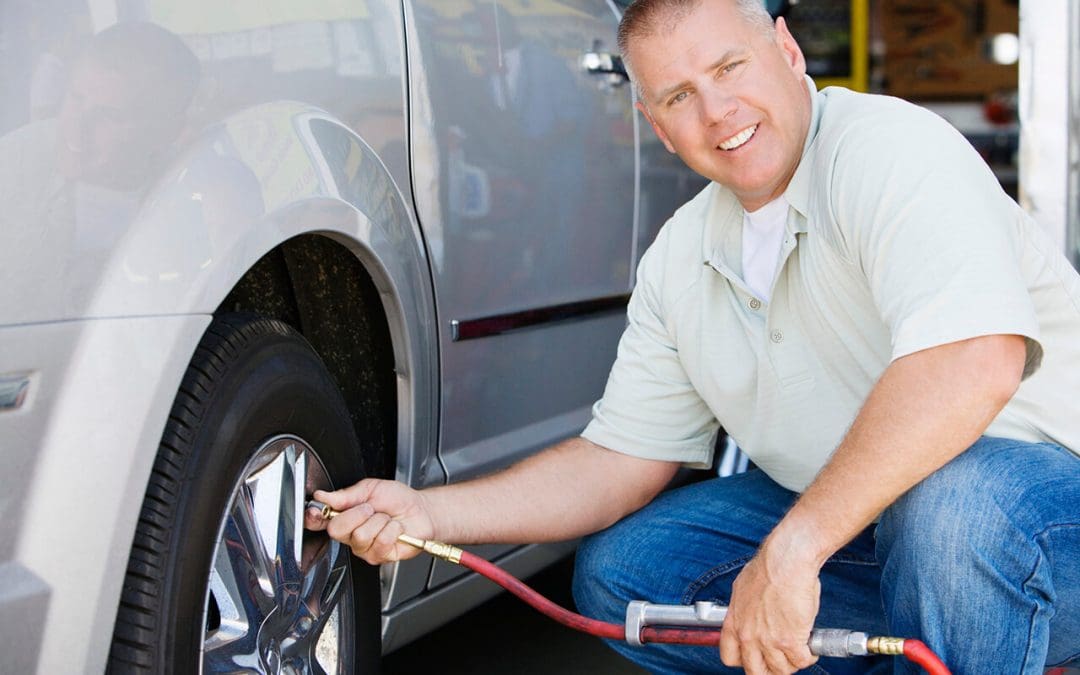
Under-inflation is the leading cause of tire failure, so check pressure before every trip, when the tires are cold. Use a quality gauge and check every tire, including duals and the spare. The pressure printed on the sidewall is the maximum, not necessarily the right number for your rig. Use the manufacturer’s load and inflation table based on your actual axle weights, and weigh the loaded rig at a certified scale to find them. Overloaded tires run hot and fail early. A tire pressure monitoring system gives helpful alerts, but it doesn’t replace a manual check with a gauge. On long trips, re-check pressure at your first stop and any time you notice handling changes.
Read the Date Code and Inspect the Rubber
Good RV tire safety includes knowing how old each tire is. Find the DOT code on the sidewall, and read the last four digits, which show the week and year of manufacture. Many manufacturers recommend replacing RV tires around five to seven years after manufacture, even if the tread still looks good, because the rubber hardens and cracks internally. Look closely at the sidewalls and tread for cracking, bulges, cuts, uneven wear, and areas of dry rot. Sidewall cracks, a bulge, or exposed cords mean the tire should be replaced right away, not at the next convenient time. Spare tires age too, even if they’ve never touched the road, so check the spare’s date code along with the rest.
Simple Habits That Improve RV Tire Safety
Sunlight and heat are tough on tires, so cover them when the RV is parked for long periods, and park on boards or pads instead of hot asphalt or bare soil. Keep tires inflated in storage, and move the rig a little occasionally so the weight doesn’t sit on one spot. Clean the sidewalls with mild soap and water, and avoid petroleum-based protectants that can dry the rubber. Check that the lug nuts are tight, following the manufacturer’s torque specifications, and re-check them after any wheel removal. Carry a gauge, a torque wrench, a properly rated jack, and a spare in good condition. Also inspect valve stems, replacing any that are cracked, and keep wheel bearings and brakes serviced on schedule, since heat from a failing bearing can ruin a tire.
Know When to Replace and What to Buy
Matching tires to your rig is the final piece of RV tire safety. Trailers typically use special trailer tires, while motorhomes and some towables use light truck tires, so follow what the manufacturer specifies. Choose a load range at least as high as the original, and replace tires in pairs on an axle, using the same brand, size, and type. Never mix tire types or sizes on the same axle. If you’re not sure what your rig needs, a tire professional or RV technician can help match tires to your weight and travel style, and a pre-trip inspection can catch problems before they strand you on the road. Keep a record of purchase dates and pressure checks so you know exactly when each tire’s time is up.
Frequently Asked Questions (FAQs)
How often should I check RV tire pressure?
Before every trip, with the tires cold, and monthly during storage. Check again when temperatures change significantly, since pressure drops as the weather cools.
How old is too old for RV tires?
Many manufacturers recommend replacement around five to seven years from the date of manufacture, regardless of tread. Inspect them annually, and replace sooner if you see cracking, bulges, or dry rot.
Can I use passenger car tires on an RV trailer?
Use the type specified by the trailer or RV manufacturer. Passenger tires aren’t designed for the loads and stresses trailers generate, so stick with the rated tire for your rig.
Do I need a tire pressure monitoring system?
It isn’t required, but it provides early warning of slow leaks and overheating. Use it alongside regular gauge checks, not as a replacement for them.
What should I carry for tire emergencies?
A tire gauge, a torque wrench, a properly rated jack, a lug wrench, a good spare, and a roadside assistance plan that covers RVs. Practice changing a tire before you need to do it on the road.
USRV Inspector provides professional RV inspection services to RVers throughout the United States. Contact us to schedule an appointment.