There is something uniquely empowering about solo RVing, where the journey is entirely your own and every decision is guided by personal preference. Traveling alone in an RV offers unmatched freedom, flexibility, and a deeper connection to both the road and the surrounding environment. Whether exploring sweeping scenic landscapes, chasing sunsets along coastal highways, or discovering tucked-away destinations off the beaten path, solo traveling creates opportunities for independence and self-discovery that are hard to match.
Why Solo RVing Is Gaining Popularity
More travelers are embracing solo adventures, and RVing provides the perfect way to experience that freedom comfortably. With a home on wheels, there is no need to rely on hotels, strict schedules, or the compromises that come with group travel. Solo RVing allows travelers to move entirely at their own pace, staying longer in places they love and changing plans whenever inspiration strikes. This style of travel builds something hard to find elsewhere: genuine confidence. Navigating unfamiliar routes, setting up camp independently, and managing the rhythms of daily life on the road are all skills that develop naturally over time, creating a growing sense of self-reliance that extends well beyond the RV itself.
Planning Ahead for a Smooth Solo Journey
Preparation is what separates a stressful trip from a great one. Map out a general route, check campground availability, and review weather forecasts before setting out. You don’t need every day planned to the minute, leaving room for spontaneity is one of the best parts of solo RVing, but having a loose framework helps prevent avoidable headaches. Always have backup campground options in mind, download offline maps before entering areas with spotty cell service, and keep a physical road atlas as a failsafe.
Safety Tips for Solo RVing
Solo RVing is far safer than many people assume when approached with awareness and common sense. Choose well-reviewed, established campgrounds, and always lock your doors, keep your phone charged, and let someone at home know your general itinerary. A portable safety alarm, a backup battery pack, and a basic emergency kit are inexpensive additions that provide real peace of mind. Trust your instincts; if a location doesn’t feel right when you arrive, it’s always okay to move on.
Choosing the Right RV for Solo Travel
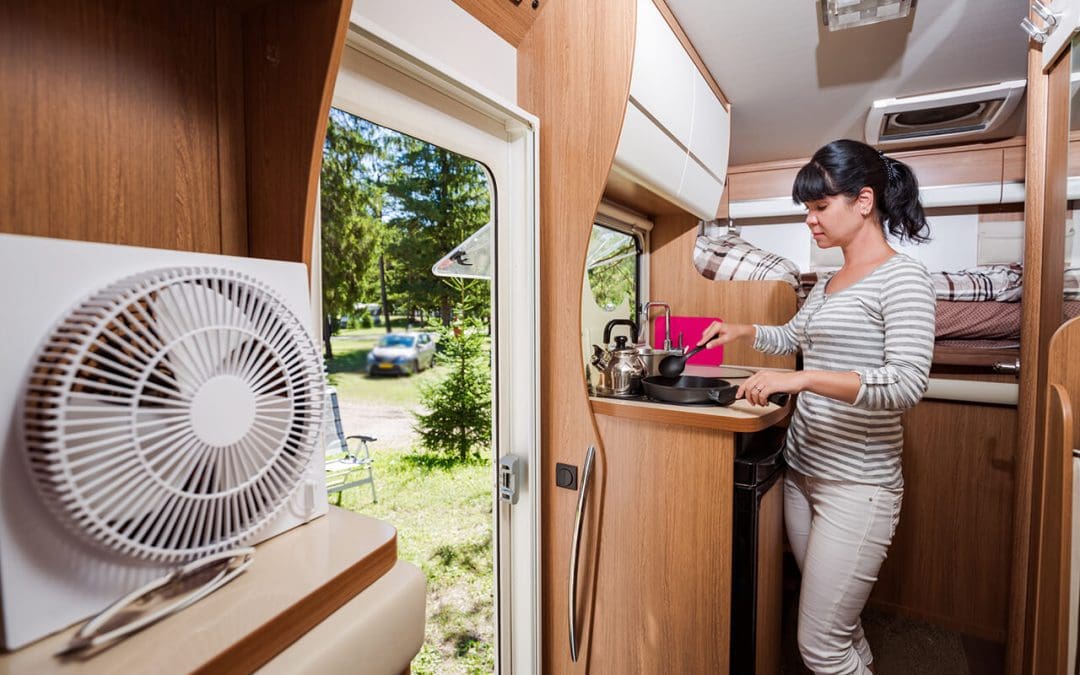
The type of RV you choose has a major impact on the solo experience. Smaller Class B campervans and Class C motorhomes are particularly well-suited for solo travelers; they’re easier to drive, simpler to park, more fuel-efficient, and far less intimidating on narrow or winding roads than larger rigs. That said, comfort still matters. Make sure your RV has a reliable kitchen, a comfortable sleeping area, and climate control that works consistently, because when you’re traveling alone, every system needs to perform.
Staying Connected While Enjoying Solo RVing
One of the most appealing aspects of solo RVing is the opportunity for genuine solitude, but staying connected remains important for both safety and peace of mind. A mobile hotspot or signal booster keeps you reachable when it matters, and checking in with a friend or family member at the end of each day adds a reassuring layer of accountability without diminishing independence. Connecting with fellow RVers at campgrounds and in online communities could also enrich the experience. The RV community is remarkably welcoming, and lifelong friendships are made on the road more often than you might expect.
Maintaining Your RV on the Road
Keeping your RV in solid condition is essential when traveling solo. Get into the habit of doing a quick walkthrough before and after each drive, checking tire pressure, fluid levels, and any visible signs of wear. Carry a basic toolkit and know how to handle minor issues independently. Many solo RVers also invest in a roadside assistance membership designed specifically for RVs, which covers larger vehicles that standard auto policies often don’t. The goal isn’t to become a mechanic, it’s to handle small problems confidently and know when to call for help.
The Road Is Waiting, And It’s All Yours
Solo RVing offers a rare and deeply rewarding combination of freedom, adventure, and personal growth. With the right preparation, a focus on safety, and a willingness to embrace the unexpected, it becomes one of the most fulfilling ways to explore the world entirely on your own terms. Every mile driven alone is a mile that belongs entirely to you.
Frequently Asked Questions (FAQs)
Is solo RVing safe for first-time travelers?
Yes, solo RVing can be very safe for beginners when the right precautions are taken. Choosing well-reviewed campgrounds, keeping someone informed of your itinerary, and trusting your instincts about your surroundings all go a long way toward a safe and enjoyable experience.
What is the best type of RV for solo travel?
Class B campervans and smaller Class C motorhomes are widely considered the best options.
How do you plan a solo RV trip effectively?
Start with a loose route and a list of campgrounds, but leave room for flexibility. Check availability in advance for peak-season destinations, download offline maps, and always have a backup plan or two ready to go.
Can you meet other people while solo RVing?
Absolutely. The RV community is one of the most welcoming travel communities around. Campgrounds naturally bring people together, and many solo travelers form lasting friendships on the road.
What are the biggest benefits of solo RVing?
Complete freedom and flexibility top the list. Beyond that, solo RVing builds confidence, encourages deeper exploration, and offers personal growth that group travel rarely provides.
USRV Inspector provides professional RV inspection services to RVers throughout the United States. Contact us to schedule an appointment.