Cold temperatures introduce challenges that require extra preparation, and winter RV use begins with ensuring the rig is ready for the season. Insulation becomes a top priority, especially around windows, doors, and storage bays. Small drafts may quickly lower interior temperatures and increase heating demands. Checking seals and weather stripping helps maintain warmth while reducing energy loss. Exterior preparation matters just as much. Roofs, slide-outs, and vents should be inspected for cracks or gaps that could allow moisture to enter and freeze. Batteries also deserve attention, as cold weather could reduce performance. Ensuring they are fully charged and properly maintained helps avoid unexpected power issues. Thoughtful preparation sets the stage for a comfortable and worry-free winter RV experience.
Managing Water Systems During Winter RV Use
Water systems are one of the most vulnerable parts of an RV during colder months. For winter RV use, protecting pipes and tanks from freezing is critical. Heated water hoses, insulated compartments, and tank heaters will help keep water flowing even when temperatures drop below freezing. Interior access points should remain warm enough to prevent ice from forming inside lines. Monitoring water usage also plays a role. Conserving water reduces strain on systems and minimizes the risk of freezing in holding tanks. Dumping tanks regularly and ensuring valves are properly sealed helps prevent buildup that could freeze overnight. A proactive approach to water management ensures systems continue to function and reduces the likelihood of costly repairs.
Staying Warm and Comfortable Inside
Comfort is a major concern during winter RV use, and controlling the interior temperature makes a noticeable difference. RV furnaces are designed to heat compact spaces efficiently, but they should be serviced before heavy use to guarantee safe operation. Supplemental heat sources provide additional warmth, though ventilation is always important to prevent moisture buildup and maintain air quality. Condensation is another common issue during cold-weather camping. Cooking, showering, and breathing all release moisture into the air, which may lead to damp surfaces and potential mold growth. Using vent fans and maintaining balanced airflow helps control humidity. Staying warm is not just about heat, but also about maintaining a dry and comfortable living environment.
Safe Driving and Setup in Cold Conditions
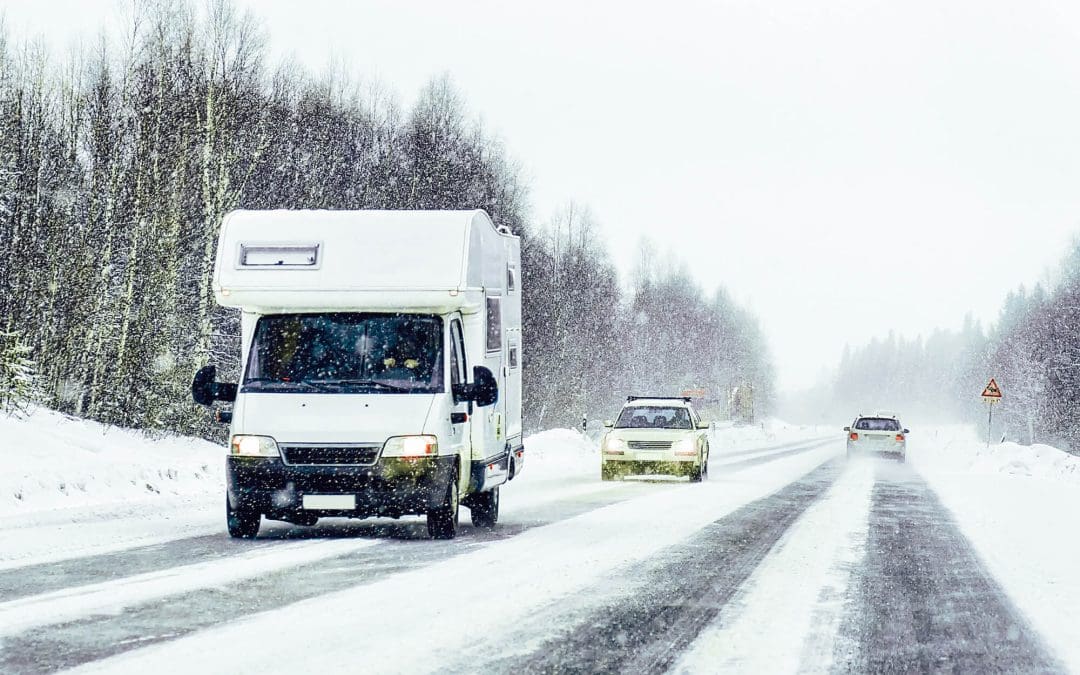
Winter RV use extends beyond the campsite and into travel conditions. Cold weather could impact road safety, especially in regions prone to snow and ice. Tires should be properly inflated and rated for colder temperatures, while brakes and lights should be checked before each trip. Allowing extra travel time and avoiding hazardous conditions whenever possible reduces risk. Once parked, setup takes on added importance. Leveling systems should be clear of ice and snow, and stabilizers should rest on solid ground to prevent shifting. Campsite selection matters as well, with wind protection and sun exposure playing a role in temperature control. A careful approach to travel and setup guarantees safety throughout the journey.
Power Management for Winter RV Use
Reliable power is essential during winter RV use, as heating systems, lighting, and appliances often run more frequently. Electrical hookups should be inspected for damage and protected from moisture. Using appropriate surge protection helps safeguard equipment from power fluctuations. For RVers relying on generators or solar systems, cold weather performance should be monitored closely. Fuel efficiency can change in low temperatures, and battery storage capacity may decrease. Understanding how power demands increase in winter allows RVers to plan accordingly and avoid outages during the coldest nights.
With the proper preparation and awareness, winter RV use will be both comfortable and rewarding. By protecting systems, managing heat and moisture, and staying mindful of cold-weather conditions, RVers can confidently enjoy the quieter beauty and unique experiences that winter travel has to offer.
Frequently Asked Questions (FAQs)
Can RVs be used in freezing temperatures?
Yes, many RVs handle freezing temperatures when properly prepared. Insulation, heated systems, and careful monitoring are essential for a successful winter RV experience.
How do you prevent RV pipes from freezing?
Using heated hoses, insulating exposed pipes, and keeping interior temperatures above freezing help protect plumbing systems during winter RV use.
Is it safe to use space heaters in an RV?
Space heaters can be used safely when designed for RV use and paired with proper ventilation. It’s important to follow manufacturer guidelines and avoid overloading electrical systems.
What is the biggest challenge of winter RV use?
Frozen water systems and condensation are among the most common challenges. Preparation and consistent monitoring help minimize these issues.
Does cold weather increase maintenance needs?
Cold weather can place additional stress on systems, so routine checks and preventative maintenance are especially important during the winter months.
USRV Inspector provides professional RV inspection services to RVers throughout the United States. Contact us to schedule an appointment.