
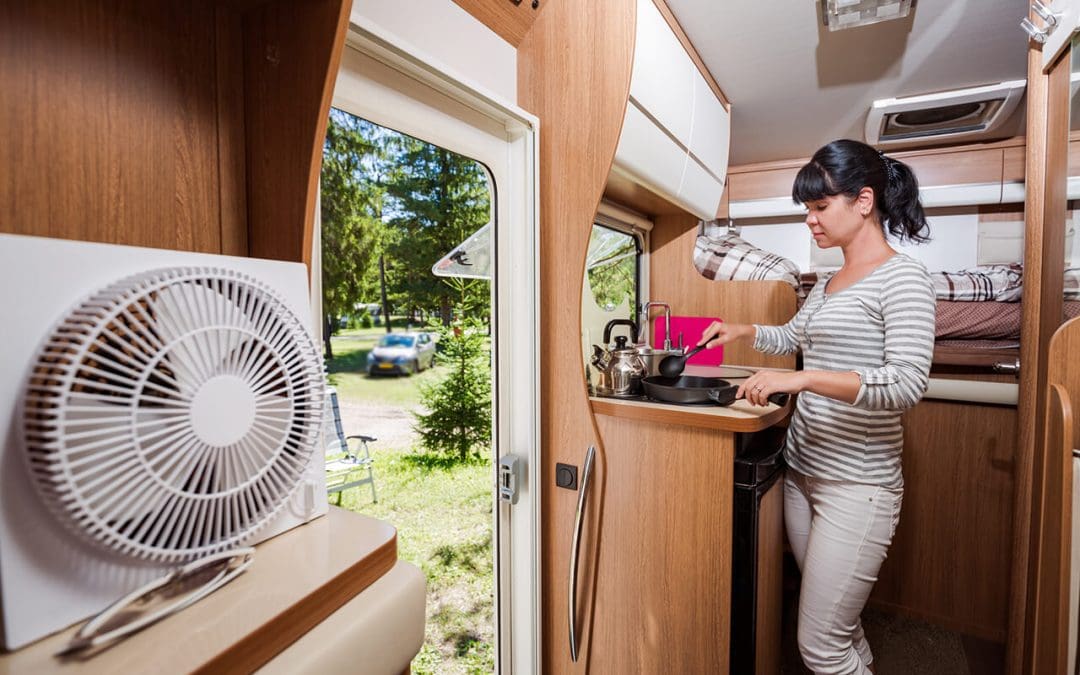
RV meal prep is the skill that separates travelers who eat well on the road from those who end up eating out every other day. The RV kitchen is a workable space when it’s approached with intention. Counter space is limited, the cooktop has fewer burners, and the refrigerator holds a fraction of what a home refrigerator does, but none of these constraints prevent good cooking when the meal prep happens before the trip and the planning accounts for what the space can do. Understanding how to approach meal prep strategically is what makes eating on the road one of the pleasures of the trip rather than one of its logistical headaches.
RV Meal Prep Strategies That Make Every Trip Easier
The most impactful RV meal prep happens at home before the trip begins, not at the campsite after a long drive. Washing, chopping, and portioning vegetables before departure eliminates the most time-consuming kitchen tasks. Prepped vegetables stored in sealed containers are ready to go into any dish without requiring counter space or cleanup in a space where cleanup is more cumbersome than at home. Batch cooking proteins before the trip is the preparation strategy with the highest return. Cooked and sliced chicken breast, seasoned ground meat, or hard-boiled eggs prepared at home translates directly into faster meals at the campsite. Marinating proteins before departure means they’re ready for the grill without any prep at the site.
One-Pot and Sheet Pan RV Meal Prep for the Road
One-pot meals are the RV meal prep category that most efficiently uses limited cooktop space and produces portions large enough to cover multiple meals without repeating the cooking process. Sheet pan meals prepared outside on a camp grill or over a campfire extend the RV kitchen into the outdoor space and eliminate the ventilation and heat concerns that high-heat cooking in a small enclosed kitchen produces. The prep happens at home before the outdoor cooking begins, which means the actual cooking is a simple matter of heat application. Foil packet meals follow the same logic and add the benefit of no cooking surface to clean.
Storage and Refrigerator Management
RV refrigerators are significantly smaller than residential ones, and managing that space is its own skill. The most practical approach is planning meals in a sequence that uses the most perishable ingredients first: proteins and fresh vegetables that have the shortest refrigerator life at the beginning of the trip, followed by ingredients with longer shelf stability as the trip progresses. This sequencing reduces food waste, prevents the discovery of spoiled ingredients mid-trip, and ensures that the most space-intensive items are consumed rather than taking up refrigerator real estate past their useful point. Shelf-stable ingredients make the difference between a trip where the refrigerator runs out of space on day two and one where the pantry supplements the refrigerator seamlessly through the end of the trip. Canned beans, jarred sauces, dried grains, pasta, nuts, and dried fruit are the shelf-stable RV meal prep staples that round out meals, provide emergency options when fresh ingredients are depleted, and take up no refrigerator space at all.
Frequently Asked Questions (FAQs)
How far in advance should I do RV meal prep before a trip?
One to two days before departure is the optimal window. Close enough that prepped ingredients are fresh when the trip begins, early enough that the work isn’t rushed alongside departure preparations. Cooked proteins, chopped vegetables, and marinated items hold well in the refrigerator and are at their best during the first half of most trips.
What are the best RV meal prep containers for limited storage?
Containers that nest or stack efficiently make the most of limited cabinet space. Collapsible silicone containers reduce their storage footprint when empty. Resealable bags are the most flexible storage option because they conform to available space rather than requiring a fixed footprint. Uniform sizes that stack predictably make storage management significantly easier than a mix of mismatched containers.
How do I keep RV meal prep fresh when dry camping without hookups?
Dry camping requires more attention to refrigerator efficiency, loading it with pre-chilled items, keeping the door closed as much as possible, and prioritizing the most perishable items in the first day or two. A quality cooler for beverages and secondary items keeps the refrigerator dedicated to actual food storage, which is the strategy that makes dry camping provisions last the longest.
What items can I cook outside to keep the RV kitchen cooler?
Anything requiring high heat or extended cooking time is a candidate for outdoor cooking: proteins on a camp grill, foil packets over a campfire, and anything that would produce significant steam or smoke inside the RV kitchen. Outdoor cooking also extends the usable cooking space beyond what the cooktop provides.
How do I reduce food waste with RV meal prep?
Planning meals in a sequence that uses the most perishable ingredients first is the most effective waste reduction strategy, combined with versatile ingredients that appear in multiple meals. A batch of roasted vegetables can appear in a dinner grain bowl, a breakfast scramble, and a lunch wrap without additional preparation. Shelf-stable backup options ensure that unexpected plan changes don’t strand perishable ingredients that were planned for a meal that didn’t happen.
USRV Inspector provides professional RV inspection services to RVers throughout the United States. Contact us to schedule an appointment.